

Does my child need braces?
To find out whether your child needs orthodontic treatment, we recommend annual check-ups at our institute from the age of 6. This way we start treatment at the right time and can often prevent costly late effects that harm your child’s health.
Annual check-ups
To find out whether orthodontic treatment is needed, we recommend annual check-ups from the age of 6. This way we start treatment at the right time and can often prevent surgery.
If you notice irregularities in your child earlier than that, please get in touch with us.
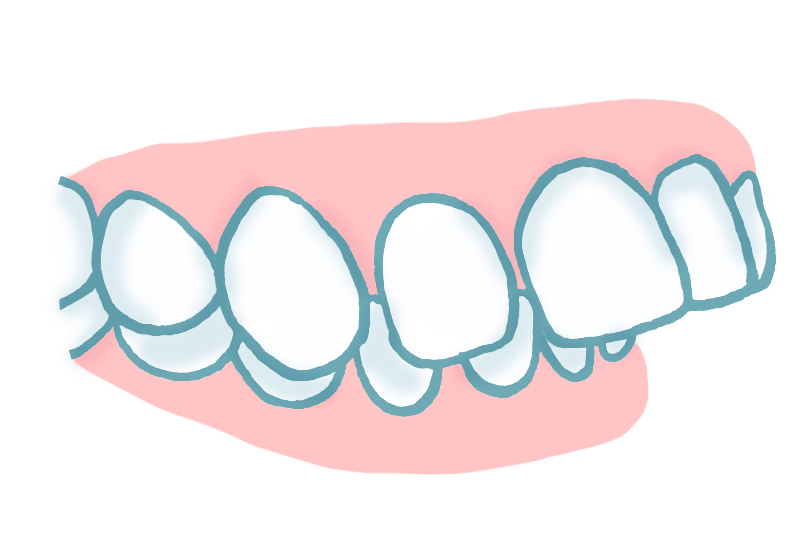
Overjet
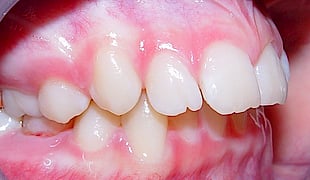
Overjet is the most common form of misaligned teeth. The lower jaw sits too far back, leaving a gap between the upper and lower incisors.
Possible consequences:
- Deep bite: When biting together, the lower incisors overlap the upper teeth. This can injure the gums. The lower incisors can grow into the palate and injure the lining of the palate.
- Injury: The risk of injury to the incisors (during sport, for example) is high. The lip no longer lies protectively over the teeth, and the lower teeth cannot provide additional support.
- Functional problems: There may be problems with biting off, chewing or pronunciation.
- Teeth wear down: Because the teeth don’t mesh together exactly, they wear down heavily. As a result, you sometimes see severely worn-down crowns even in young adults.
- Jaw joint problems: Overjet forces the lower jaw to bite further forward. This can overload the jaw joint, which in turn can lead to clicking in the jaw joint or considerable pain.
Treatment methods: Depending on the individual situation, one of the following treatment methods is likely to be suitable for your child:
- Free braces (Gratis Zahnspange)
- Removable braces
- Free fixed braces
- Fixed braces – private
- Invisible aligners for teenagers
- Fixed braces
- Invisible aligners
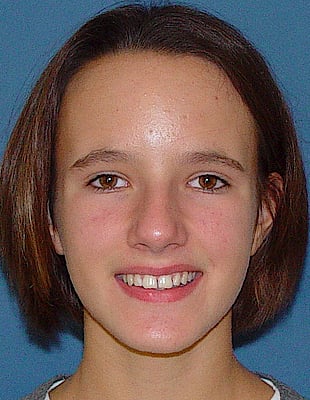
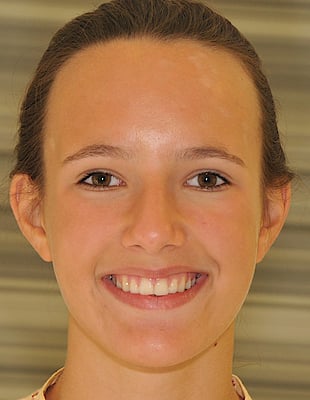
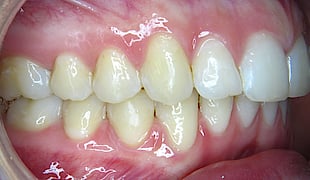
Before & after: overjet
Here you can see an example of a patient whose overjet we successfully corrected at the Eltz Institut:
Underbite
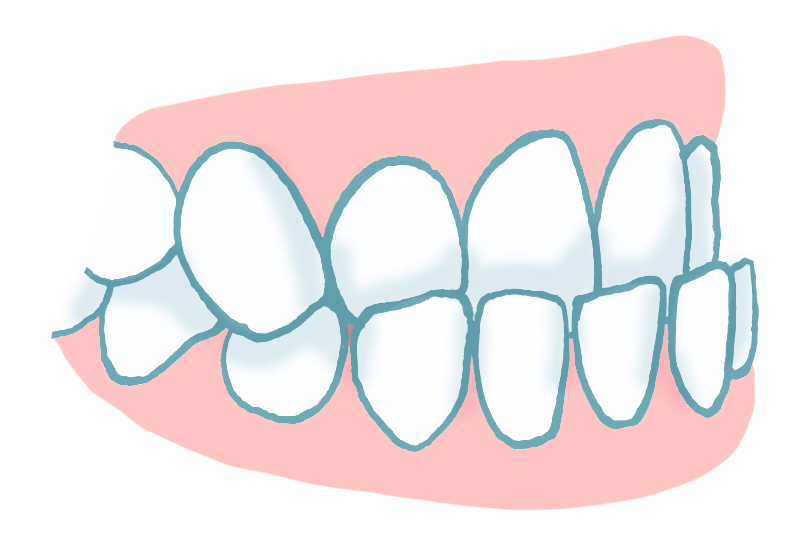
With an underbite, the lower jaw bites too far in front of the upper jaw. The incisors sometimes meet edge to edge here, or even sit the wrong way round, one behind the other, in a so-called crossbite.
Possible consequences:
- Jaw joint problems occur: The jaw joint can be put under too much strain. This leads to clicking, or to restricted jaw opening or lockjaw, with considerable pain.
- Teeth wear down: Because the teeth don’t mesh together cleanly, they wear down excessively. Severely worn-down crowns are not unusual in young adults.
Treatment methods: Depending on the individual situation, one of the following treatment methods is likely to be suitable for your child:
- Free braces
- Removable braces
- Free fixed braces
- Fixed braces – private
- Invisible aligners for teenagers
- Fixed braces
- Invisible aligners
Crossbite
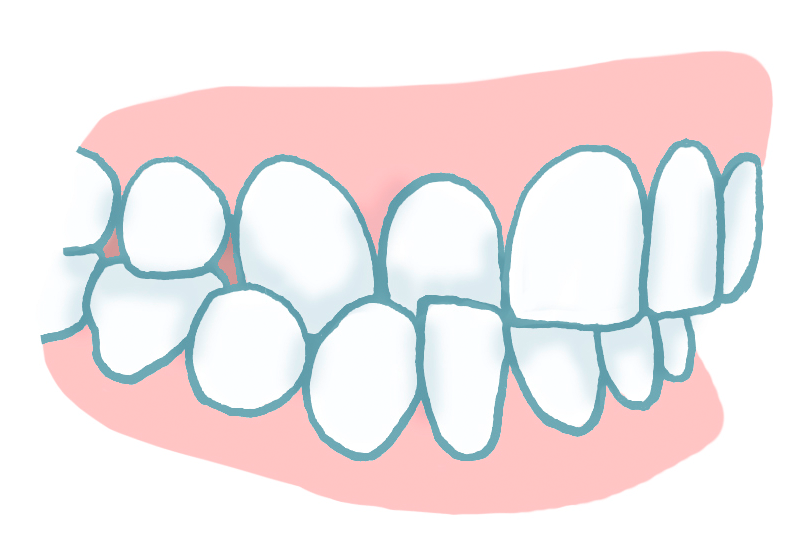
With a lateral crossbite, the lower back teeth bite over the upper back teeth. A crossbite can occur on one side or on both sides.
Possible consequences:
- Asymmetrical face: Over the years, a one-sided crossbite — if left untreated — causes the lower jaw to shift towards the crossbite side. The midlines of the dental arches no longer line up.
- Jaw joint problems: A one-sided crossbite forces the lower jaw to bite in a particular direction. In some cases this overloads the jaw joint, which in turn can lead to clicking or considerable pain.
- Wear of the teeth: Because the teeth don’t mesh together exactly, they wear down heavily. As a result, you sometimes see severely worn-down crowns even in young adults.
Treatment methods: Depending on the individual situation, one of the following treatment methods is likely to be suitable for your child:
- Free braces
- Removable braces
- Free fixed braces
- Fixed braces – private
- Invisible aligners for teenagers
- Fixed braces
- Invisible aligners
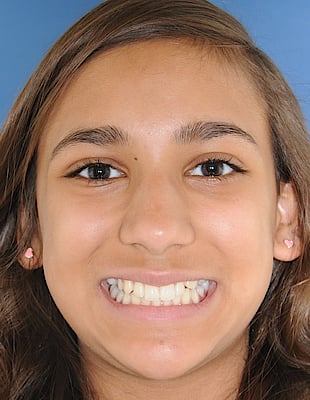
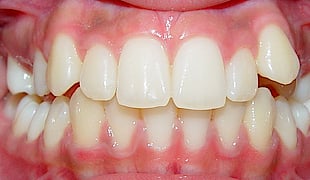
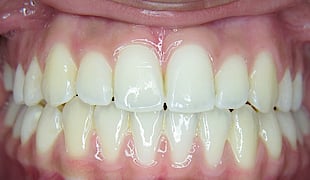
Before & after: crossbite
Here you can see an example of a patient whose crossbite we successfully corrected at the Eltz Institut:
Open bite
With an open bite, the front teeth of the upper and lower jaw don’t touch each other, even when the teeth are clenched together. In extreme forms, only the very back molars touch when biting.
Possible consequences:
- Unable to bite off: These patients can no longer bite off, say, a thin slice of cheese. Chewing function is severely impaired.
- Jaw joint problems: In some cases this can overload the jaw joint, which in turn can lead to clicking or considerable pain.
- Teeth wear down: The overloading of the back teeth increases the loss of tooth enamel, which often makes costly dental work necessary later on.
- The lower jaw looks longer: Purely visually, the face can appear long.
Treatment methods: Depending on the individual situation, one of the following treatment methods is likely to be suitable for your child:
- Free braces
- Removable braces
- Free fixed braces
- Fixed braces – private
- Invisible aligners for teenagers
- Fixed braces
- Invisible aligners
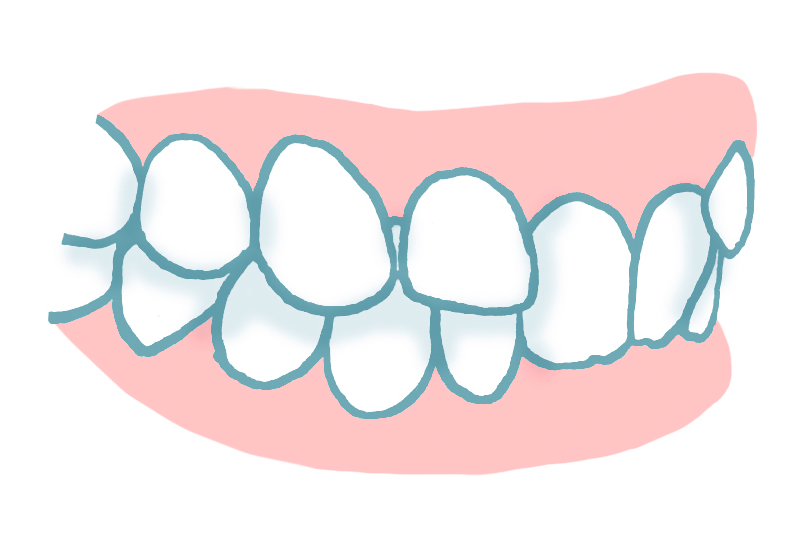
Deep bite
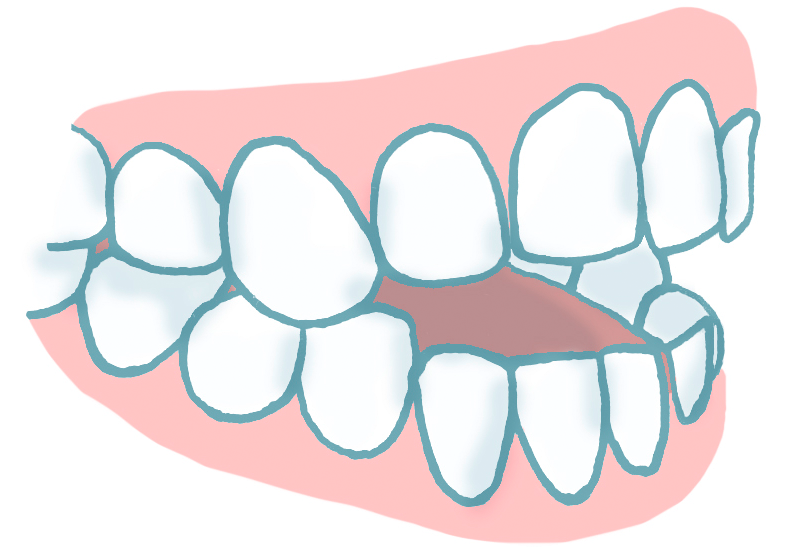
A special type of distal bite is the deep bite. As a rule, with a cover bite, some of the upper front teeth tilt backwards and the others tilt forwards.
Possible consequences:
- Deep bite: The lower incisors can grow into the palate and injure the lining of the palate.
- Injury: The risk of injury to the protruding incisors is high, during sport for example, because the lip no longer lies protectively over the teeth and the lower teeth cannot provide additional support.
- Crowding: The dental arches collapse because they don’t support each other.
- Teeth wear down: Because the teeth don’t mesh together exactly, they wear down more heavily. As a result, you sometimes see severely worn-down crowns even in young adults.
- Jaw joint problems: The backward-tilted front teeth sometimes cause a forced bite. This is because the lower jaw is guided further back when biting together. The result is an overloaded jaw joint and possibly clicking, or restricted jaw opening or lockjaw, with considerable pain.
Treatment methods: Depending on the individual situation, one of the following treatment methods is likely to be suitable for your child:
- Free braces
- Removable braces
- Free fixed braces
- Fixed braces – private
- Invisible aligners for teenagers
- Fixed braces
- Invisible aligners
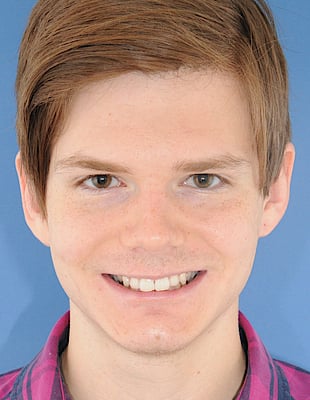
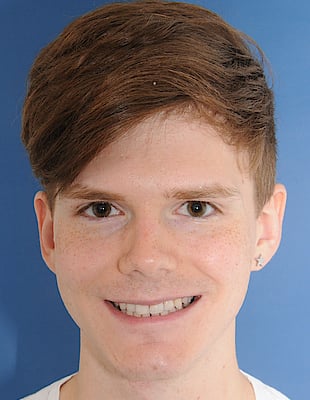
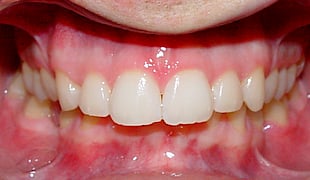
Before & after: deep bite
Here you can see an example of a patient whose deep bite we successfully corrected at the Eltz Institut:
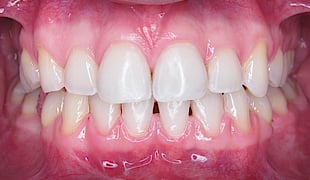
Crowding
With crowding, the front teeth overlap and interlock. In some cases the misalignment is so pronounced that teeth stand almost one behind the other.
Possible consequences:
- Pain: The teeth are very sensitive to pain.
- Receding gums: Because the teeth migrate out of the bone, very pronounced gum recession develops on individual teeth over the years.
- Excessive tooth decay: Some teeth are barely cleaned. As a result, tooth decay or at least gum inflammation occurs very often. Discolouration of the teeth is not uncommon.
- Wear of the teeth: Because the front teeth don’t mesh together exactly, they wear down more heavily. As a result, you sometimes see severely worn-down crowns even in young adults. This affects the appearance of the teeth.
Treatment methods: Depending on the individual situation, one of the following treatment methods is likely to be suitable for your child:
- Free braces
- Removable braces
- Free fixed braces
- Fixed braces – private
- Invisible aligners for teenagers
- Fixed braces
- Invisible aligners
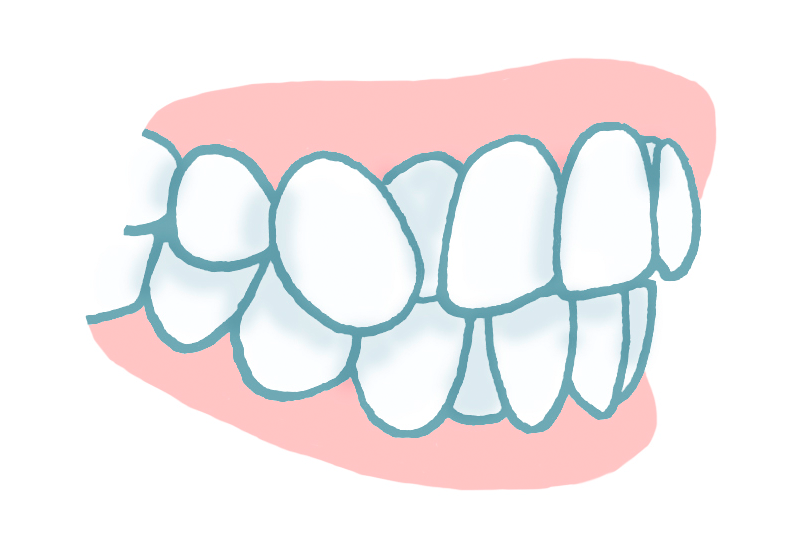
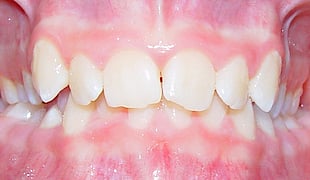
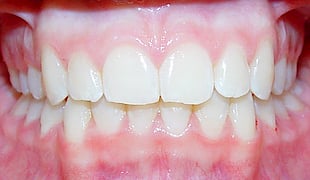
Before & after: crowding
Here you can see an example of a patient whose crowding we successfully corrected at the Eltz Institut:
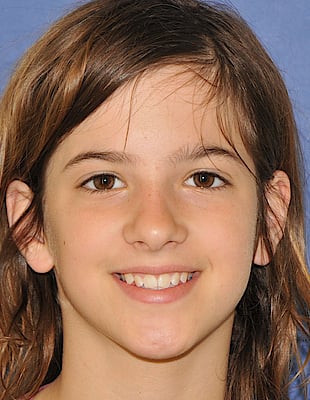
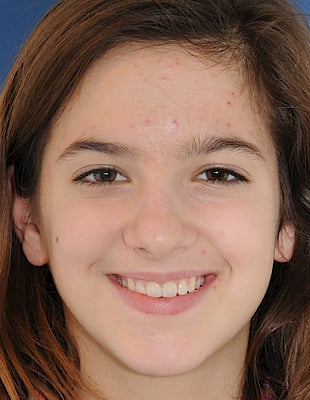
Carla’s story
Carla’s story shows how important beautiful teeth are, quite apart from health reasons.
Carla’s story

Braces for adults
The Eltz Institut für Zahnregulierung is one of the largest institutes for invisible aligners and fixed orthodontic treatment in Europe. We treat patients young and old. Adults can find all the information on this website: